What is the US based ruling on social media?
A significant jury verdict in the United States has placed renewed focus on the responsibilities of major technology platforms. In a recent case, jurors found that Meta and Google, as owner of YouTube, acted with serious wrongdoing in the way their platforms and algorithms were designed and operated. In particular, the finding that these companies acted with “malice, oppression, or fraud” marks a notable moment in the global debate around social media and user harm.
Do the finding affect the UK and othe
r countries?
This development has resonated far beyond the United States. Increasingly, individuals and families in the United Kingdom are asking whether similar claims could be pursued over here. The question is no longer theoretical. It is practical, immediate and, of course, deeply personal for those who believe they have suffered harm.
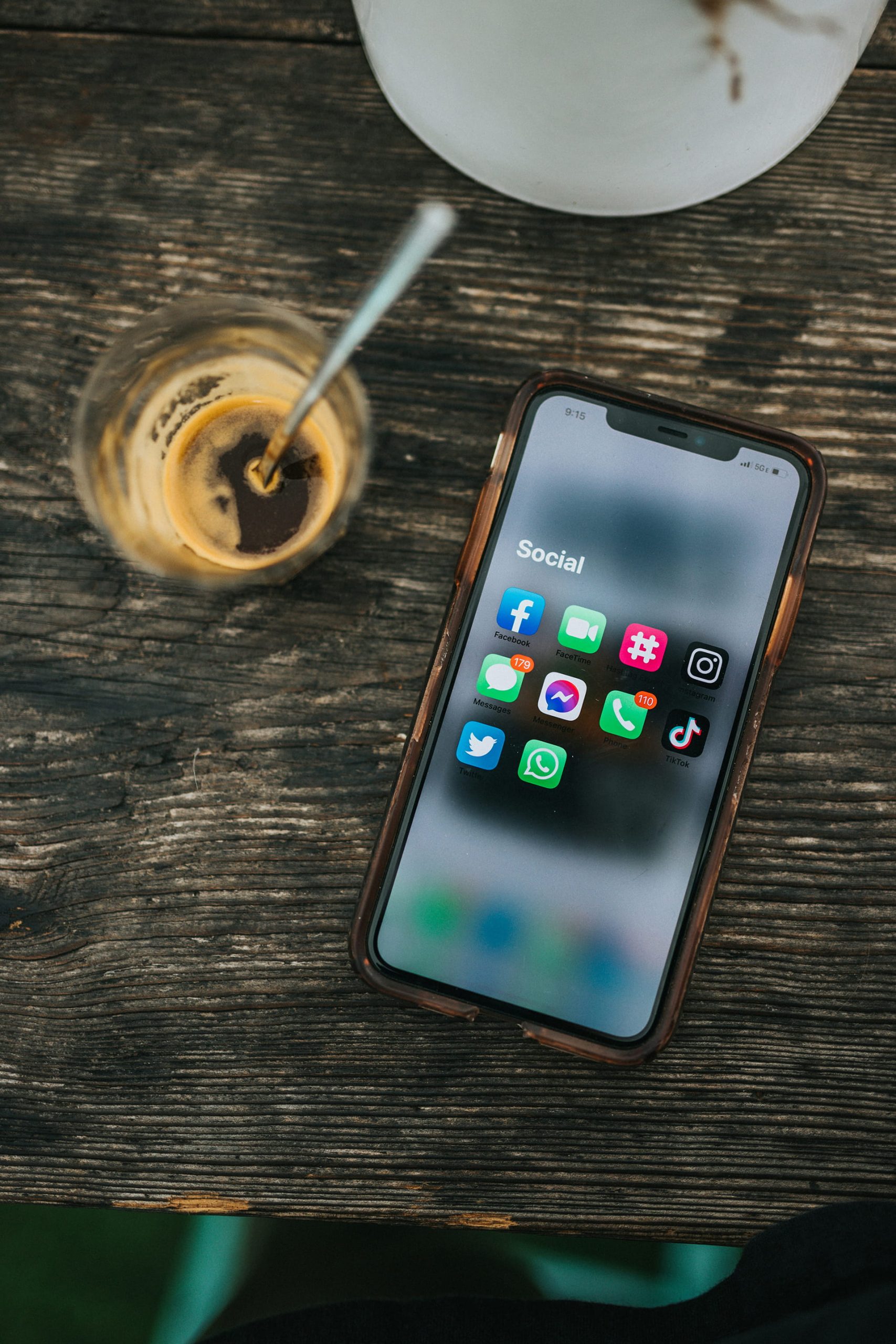
At its core, the case reflects a growing recognition of the powerful role algorithms play in shaping user behaviour. Social media platforms are designed to capture attention. However, critics argue that in some cases this design goes further, encouraging prolonged use in ways that may contribute to addiction, anxiety, or other forms of harm. The US verdict suggests that the courts may be increasingly willing to examine these issues in detail.
How is the UK legal environment adapting to social media issues?
In the UK, the legal landscape is still developing. There is, at present, limited case law directly addressing claims against large social media companies for algorithm driven harm. As a result, any new claims would be entering relatively untested territory. That said, the absence of established precedent does not mean that claims cannot be brought.
On the contrary, there are several potential legal avenues that may be considered. For example, claims could arise under negligence principles where it is alleged that a platform owed a duty of care to its users and failed to meet that duty. In addition, there may be scope to explore product liability arguments, particularly where the design of a platform or its features is said to have contributed to foreseeable harm.
How do I know if I can claim damages for social media harm?
Importantly, each case will turn on its own facts. The nature of the harm suffered, the age of the user, and the extent of platform use will all be relevant. Therefore, early legal advice is essential to assess whether a viable claim may exist.
Alongside developments in the courts, there is also increasing regulatory attention. The UK government has already introduced the Online Safety Act 2023, which aims to improve protections for users, particularly children. In parallel, further consultations are underway to strengthen online safety measures. These developments signal a broader shift in how online platforms are regulated.
However, it is important to note that the current legislation does not yet provide a direct route for individuals to bring civil claims for damages arising from harmful content or platform design. This may change over time. As public awareness grows, and as international judgments influence legal thinking, both courts and lawmakers in the UK may begin to adapt.
Is the US ruling a turning point for social media users globally?
The recent US verdict may therefore represent more than a single case outcome. It may mark the beginning of a wider global shift. Courts are increasingly being asked to consider not only what content is hosted on platforms, but how those platforms are engineered to engage users. This distinction is crucial. It moves the focus from moderation to design, and from content to consequence.
Moreover, TV channels and the Press are stepping up coverage of these issues, citing individuals affected by too much general browsing, too much time on social media and additionally, by certain interactions.
How can Taylor Hampton Solicitors assist concerned parents?
At Taylor Hampton Solicitors, we are already seeing the impact of this shift. We have received enquiries from families and individuals who are concerned about the effects of social media use. These enquiries often involve complex and sensitive circumstances. They require careful handling and clear, practical advice.
Our team specialises in media, privacy, and technology law. We have extensive experience in high profile litigation, including claims involving negligence, privacy breaches and contractual disputes.
If you or your family have been affected by issues related to social media use, we encourage you to seek advice at an early stage. A confidential discussion can help clarify your position and outline potential next steps. In many cases, understanding your rights is the first and most important step.
You can contact our team at [email protected] or by calling 0207 427 5970. All enquiries are handled in strict confidence. See our Media and Personal Injury Service Sector here: https://taylorhampton.co.uk/legal-services/media-and-personal-injury.
This is an evolving area of law. While the direction of travel is becoming clearer, there remains a degree of uncertainty. Not every claim will succeed, and legal outcomes will depend on specific facts and evidence. However, the recent developments in the United States suggest that meaningful change is underway.